
REVIEW — “Coyote vs. Acme”

Filled with classic gags, thrilling mystery and courtroom antics, real-world underdog story Coyote vs. Acme is a film no one wanted you to see. But now you can. Unfortunately, like most ACME products, it’s a misfire that’s about as funny as a pie in the face.
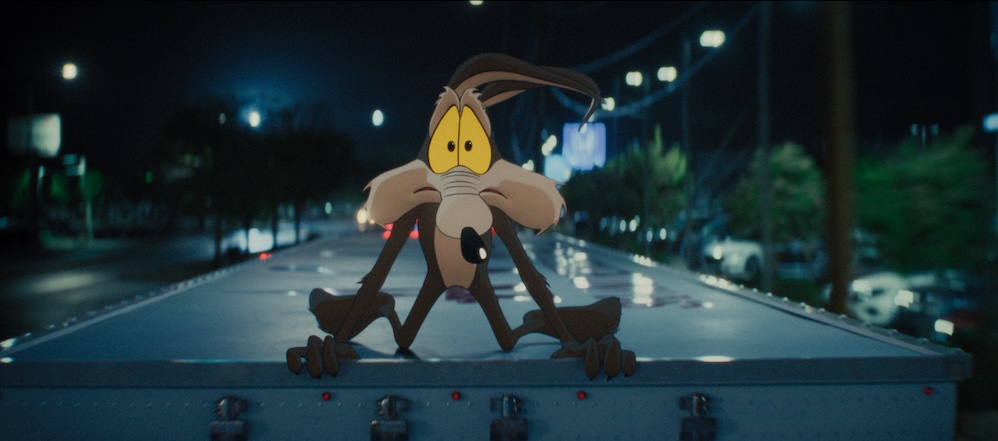
The film sees Wile E. Coyote suing the ACME Corporation for years of negligence, pain and suffering due to their faulty products. However, the road-weary rascal may have ulterior motives that will finally enable him to capture his elusive nemesis (and material witness), the Road Runner. While the premise, conceived in a 1990 article in The New Yorker by acclaimed humorist Ian Frazier, is clever and appealing, what makes this film especially interesting is the drama that unfolded after it was completed.
That’s because Warner Bros. Discovery initially canceled the completed Coyote vs. Acme in November 2023 to claim an estimated $30 million tax write-off. Part of a corporate cost-cutting campaign under CEO David Zaslav, the move was met with severe fan backlash online, especially following WB’s similar big budget cancellations of the Batgirl movie and Scoob! Holiday Haunt. Ultimately, WB relented and Coyote vs. Acme was rescued by Ketchup Entertainment for a reported $50 million. (The rising indie studio also put out Warner’s fully animated The Day the Earth Blew Up: A Looney Tunes Movie in theaters last year.)
Therefore, the true brilliance of Coyote vs. Acme is how its marketing leaned into the controversy and real-life behind-the-scenes drama surrounding its initial burial and eventual release, making the film a meta social commentary on corporate greed, conspiracy theories and artistic suppression. I just wish it were funnier. To understand what’s missing for me, you have to go back to the original Looney Tunes and Merry Melodies shorts of the 30s and 40s. They were absurd, wacky and irreverent. The nutjobs over at Warner Bros. gained a reputation for lampooning popular culture with their unique brand of subversively defiant cartoon commentary. At the opposite end of the animated entertainment spectrum were Disney’s more innocent, gag-based Mickey Mouse and Silly Symphonies shorts. But now, all these aging cartoon characters are desperate for relevancy. Although it’s not for a lack of trying.
In 1988, Disney’s Who Framed Roger Rabbit failed to reignite these characters’ popularity (but blew my 8-year-old mind seeing my favorite cartoon characters in the same film. You had Donald vs. Daffy in a piano duel, and Bugs and Mickey sharing the screen for the first time!). It wasn’t until 1996’s Space Jam that Looney Tunes finally returned to the big leagues. But that momentum eventually fizzled out with 2003’s bonkers-but-poorly received Looney Tunes: Back in Action (despite Brendan Fraser and Steve Martin’s hair). That was nearly 25 years ago.
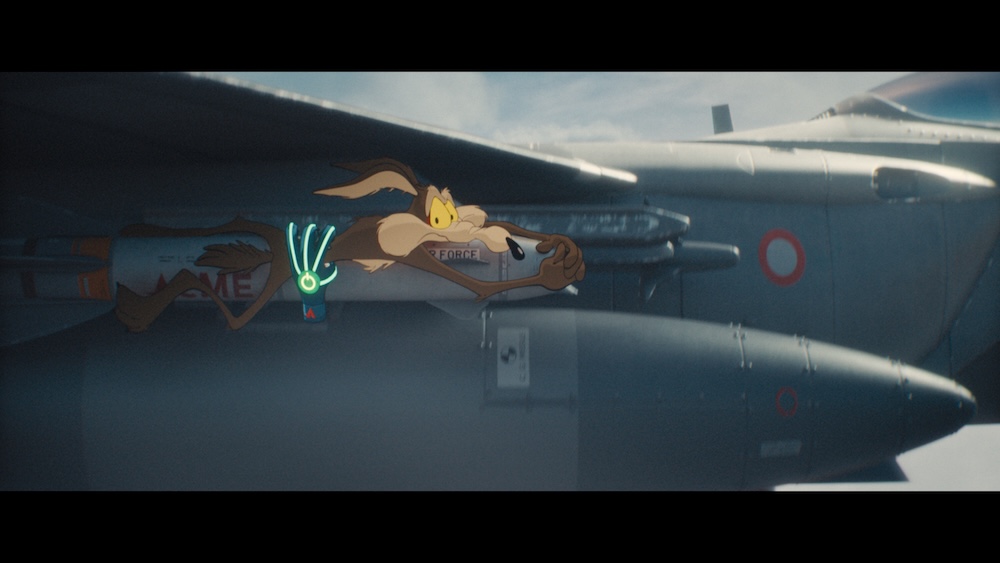
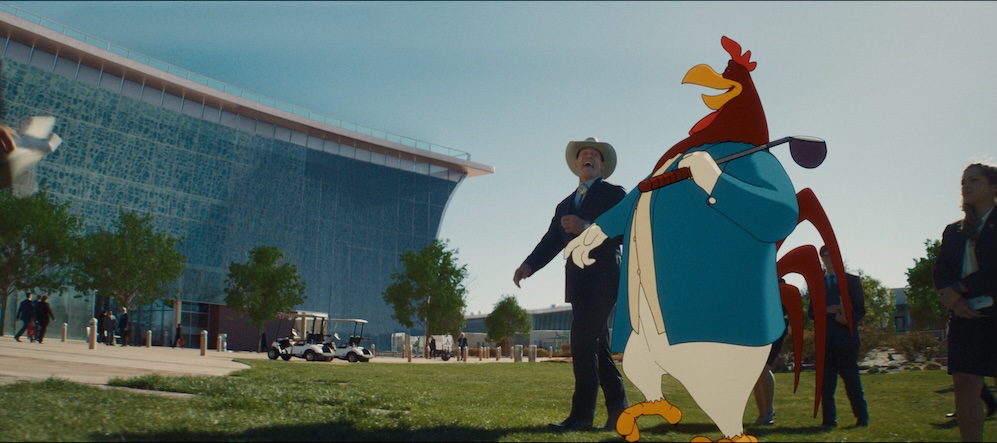
Today, most kids are unfamiliar with Looney Tunes outside of the lackluster Space Jam sequel with LeBron James. But, we are talking about octogenarian cartoon characters. In fact, Wile E. Coyote and Road Runner turn 76 years old this year as the pair made their debut in the September 1949 Chuck Jones animated short, “Fast and Furry-ous.” So, it seems, Coyote vs. Acme is an effort to, once again, mainstream these characters. And all your Looney Tunes favorites pop up throughout the film. They bring back Bugs, Daffy, Porky, Foghorn, Fudd. They just forgot to bring the laughs.
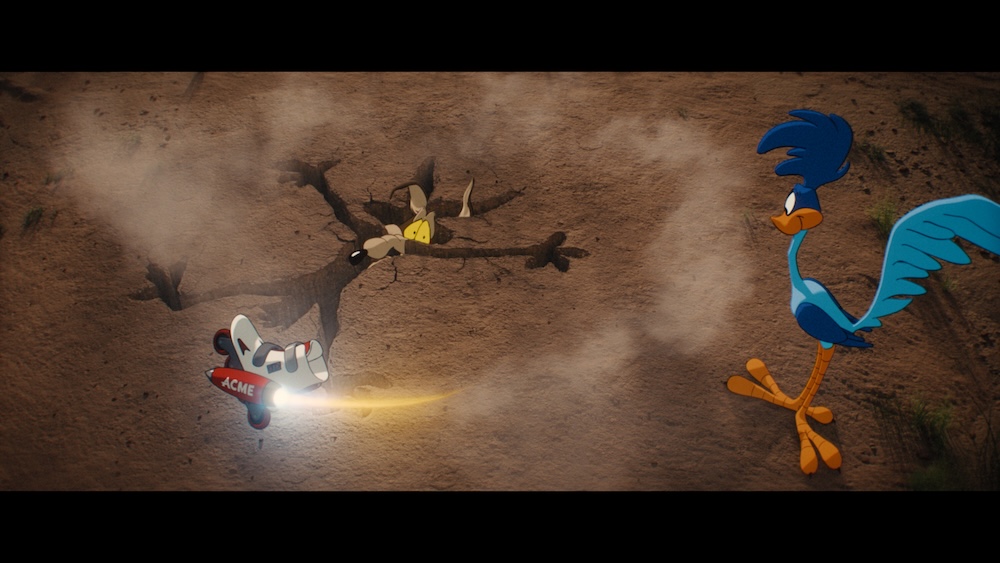
Although many reviewers are calling it “The best animated-live action hybrid movie since Roger Rabbit,” that distinction already belongs to 2022’s excellent Chip and Dale: Rescue Rangers reboot. Coyote vs. Acme comes in at a distant 2nd. (Ironically, it’s now Disney’s Mickey Mouse who has taken the mantle of unhinged silliness from Bugs Bunny and friends, as Walt’s jolly rat has been successfully reinvented in 119 episodes of peak absurdist comedy courtesy of Paul Rudish’s legitimately funny Mickey Mouse and Wonderful World of Mickey Mouse shorts.)
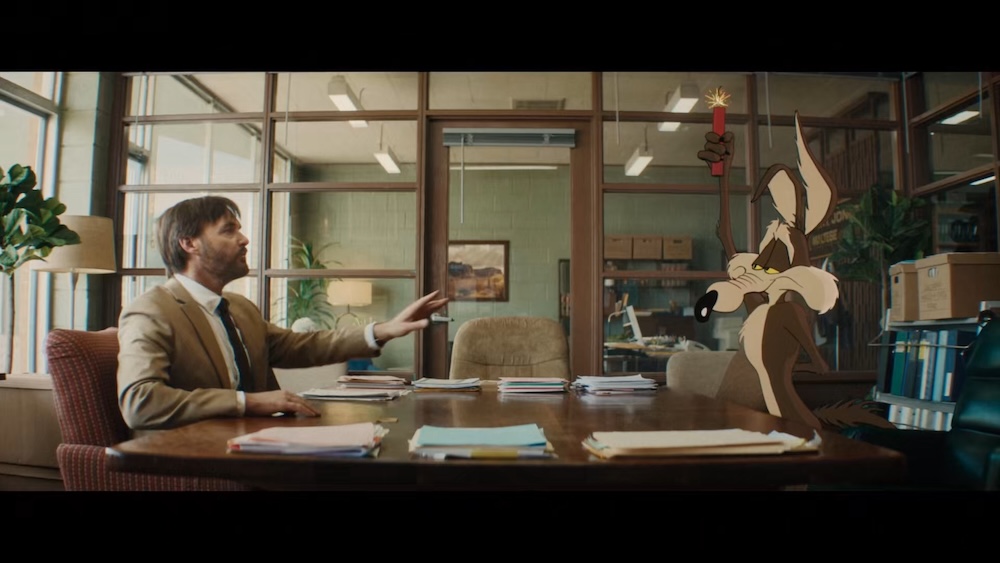
If Coyote vs. Acme’s aim was to be a booster shot in the arm of a lagging franchise, then it should have taken a page from predecessors like Tiny Toon Adventures and Animaniacs by returning to Warner Bros’ signature form of madcap cartoon lunacy. Instead, it settles for cheap gags. “Cheap” being the operative word. But, to be fair, there are a few things working against Coyote vs. Acme. For one, WB didn’t invest a lot of money into the film.
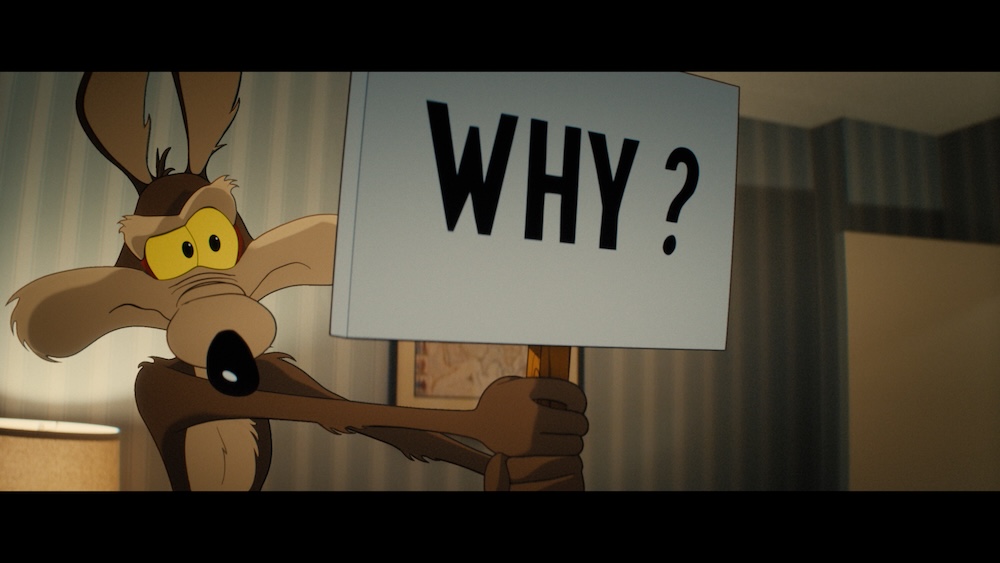
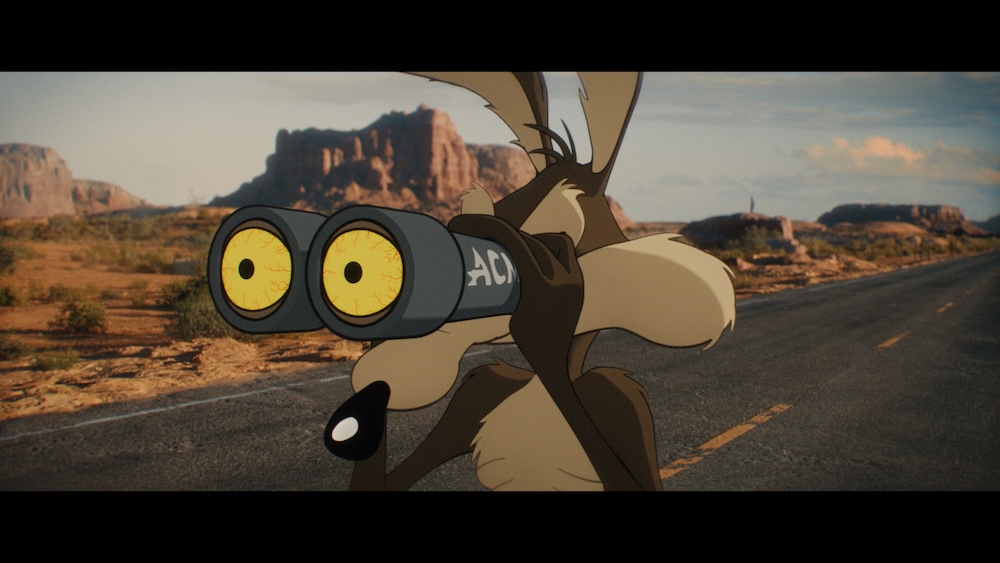
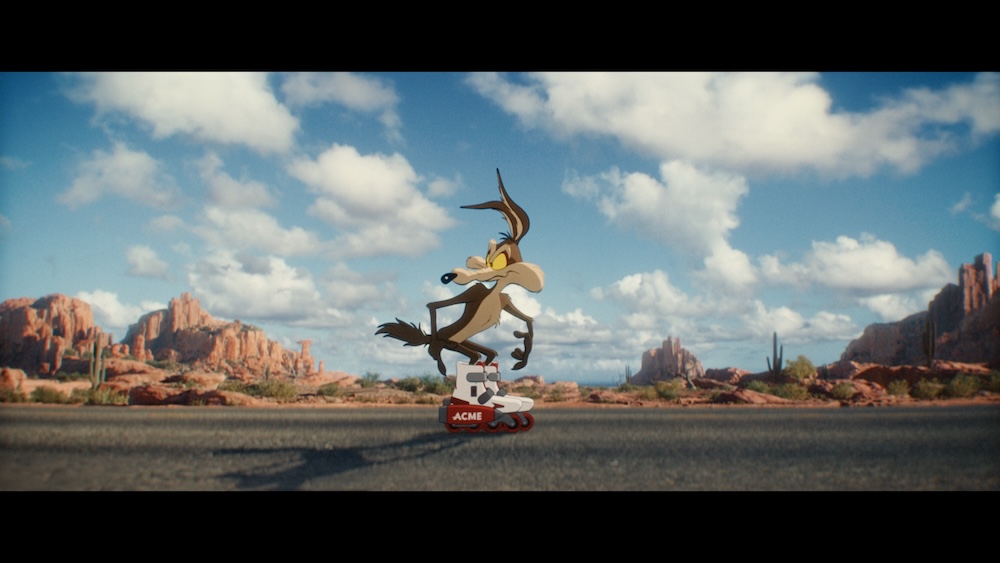
With a reduced budget, the animation in Coyote vs. Acme looks off-putting. Rather than using traditional ink-and-paint cells, the film instead used a process known as cel-shading in which the CGI characters are rendered in 3D and then shaded to look like flattened 2D drawings. So the characters don’t match the classic hand-drawn aesthetic that we’re used to.
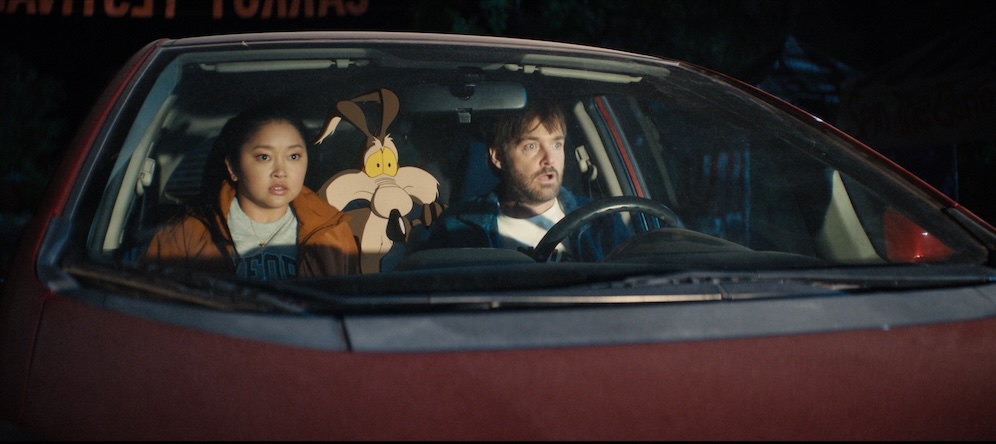
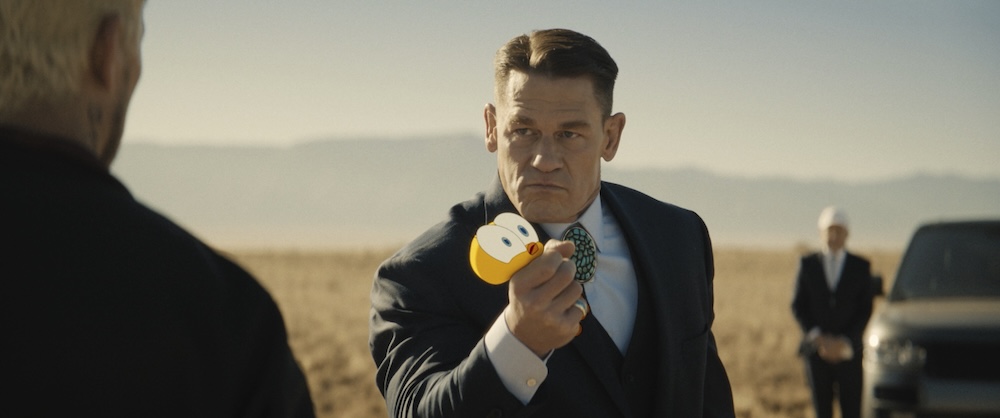
While Wile E. Coyote is the star of this film, it’s the human performers that steal the show. The always game Will Forte gets his Better Call Saul on as the frantic and fantastic strip-mall cartoon lawyer Kevin Avery, while Lana Condor brings the energy as his eager assistant Paige. However, the most fun card in this deck is John Cena as a slimy corporate lawyer for ACME. His “tink/taw” rat-a-tat with Tweety Bird was a highlight of the film.
Directed by Dave Green from a script by Samy Burch (and a story by James Gunn), Coyote vs. Acme is a true underdog story, but a disposable one. Like a feature-length dad joke that’s light on big laughs, but heavy on gags that you’ve seen and heard many times before. Ultimately, if you love these characters, it is a film worth seeing… and saving. I’m genuinely glad this film was given a second chance to see the light of day. I just hope the next Looney Tunes adventure gets its groove back and has a less eventful (but better quality) journey from script to screen. 2.5/5
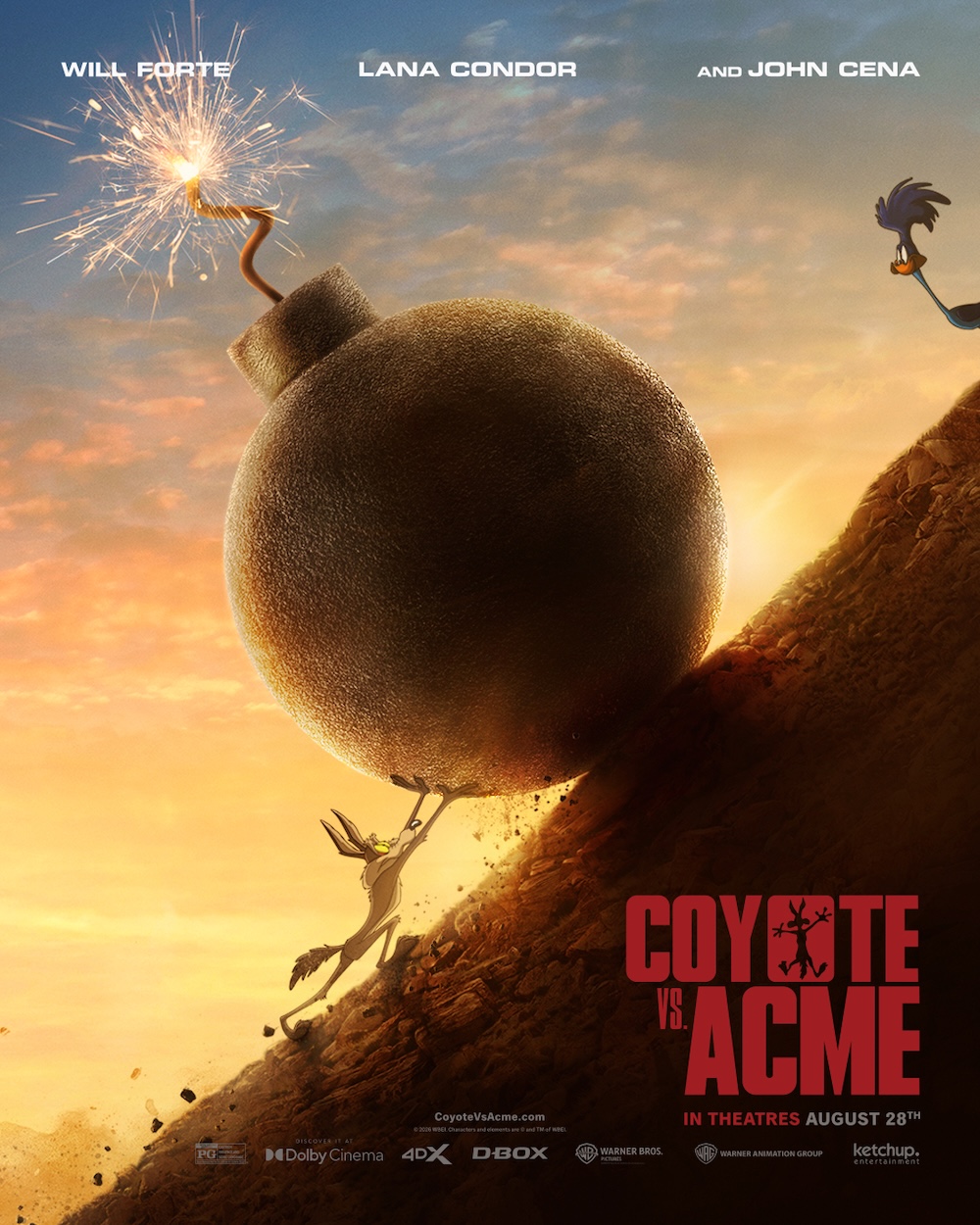
Rated PG with a running time of 1 hour and 43 minutes, Coyote vs. Acme opens in theaters on August 28, 2026.

The Author All posts


No Comment