
REVIEW — “The Death of Robin Hood”

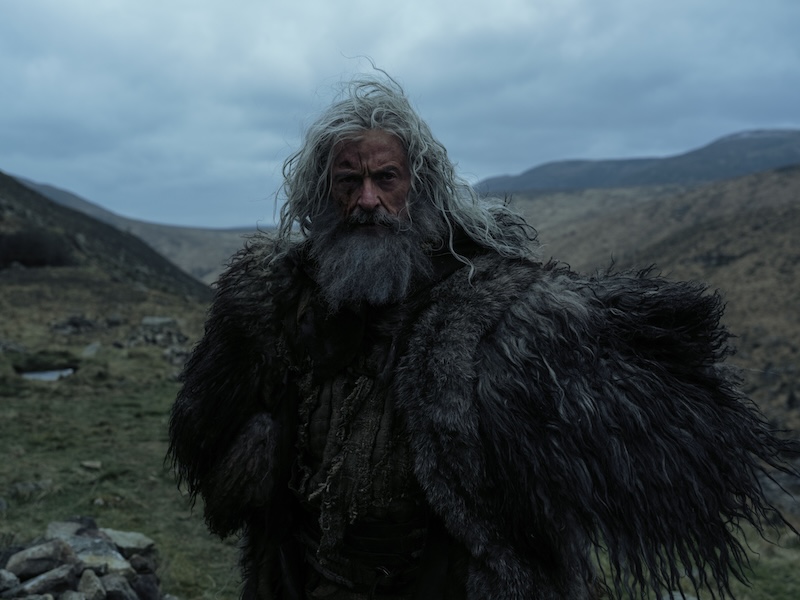
Forget everything you know about the dashing, heroic archer of Sherwood Forest. In writer and director Michael Sarnoski’s The Death of Robin Hood, A24 strips away centuries of romanticized folklore to present an unflinching, brutally gritty reimagining of the classic legend. Set in the bleak and muddy year of 1247, the film presents us with a tired and weary Robin Hood (Hugh Jackman) who is far from the savior of the poor that has been immortalized in film by Errol Flynn, Kevin Costner and an animated anthropomorphized Disney fox.

While the character does rob from the rich, the outlaw is less of a hero and more of a villain. The murderous cutthroat has slaughtered more men, women, and children than he can remember, and the weight of that savagery has left him completely hollowed out and reflective. The film plays out as a grueling redemptive arc for an old, thieving bandit who is forced to look back at the wreckage of his life, one stained with sin and bathed in blood.

The film’s narrative framework will instantly draw comparisons to another iconic Jackman project: Logan. Just like Wolverine’s (initial) swan song, The Death of Robin Hood gives us a broken, past-his-prime weapon of a man whose body is failing him and whose soul is heavily burdened by his violent past. Both films isolate an aging icon in a harsh, unforgiving landscape, forcing them to muster one final gasp of purpose before their final breath.
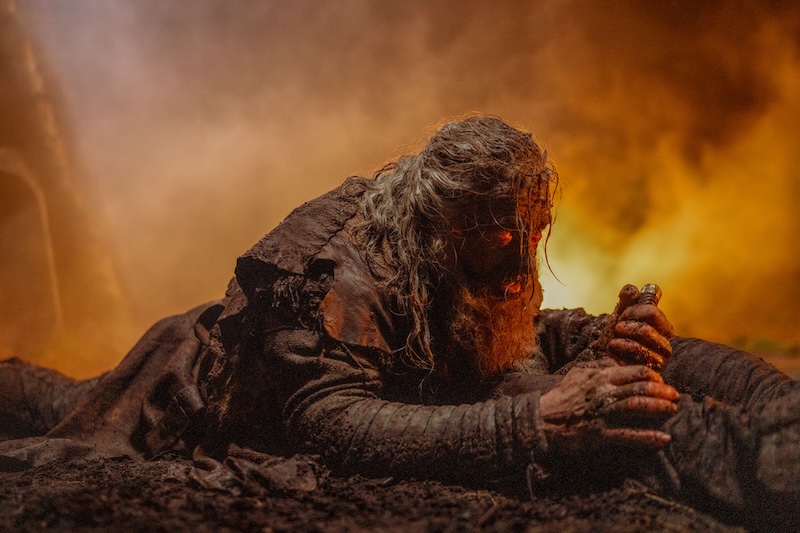
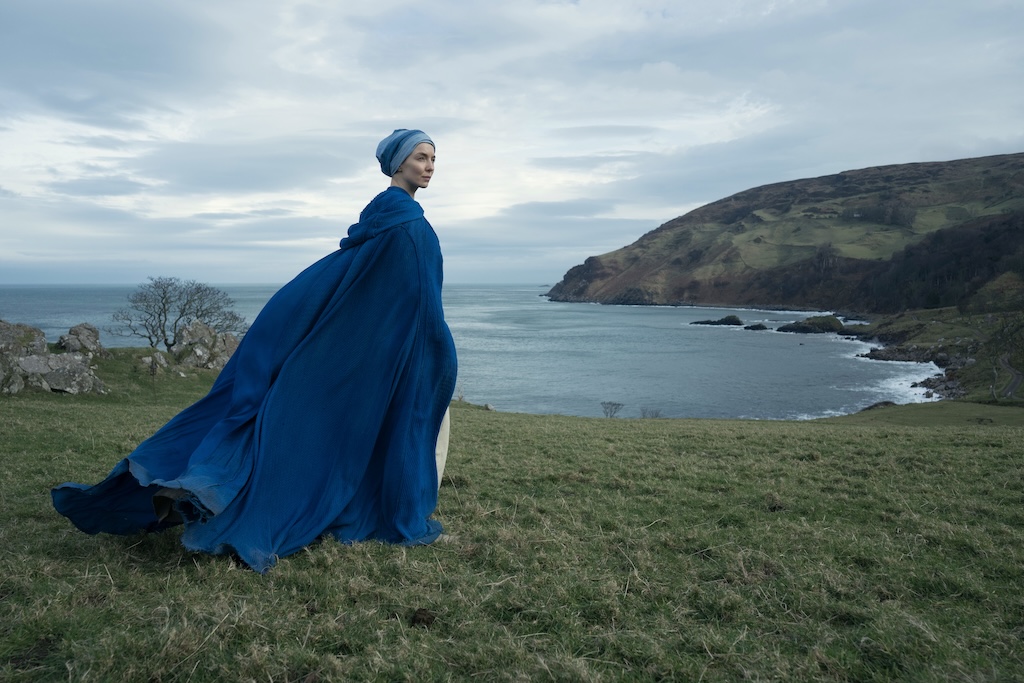
Jackman delivers an incredibly emotional, raw, and fiercely impressive acting performance. He plays Robin with a cold intensity that gradually softens into a profound, tear-stained sorrow. Matching him is Jodie Comer as Sister Brigid (The Prioress). After a critically injured Robin is brought to her remote sanctuary, the two share a fascinating, friction-filled dynamic. Comer plays Brigid not as a passive saint, but as a gracefully resilient force of nature who serves as Robin’s spiritual mirror. She challenges him, forcing him to confront his monstrous nature.
His journey toward absolution is deeply impacted by his protective relationship to Little John’s (Bill Skarsgård) daughter, Young Margaret (Faith Delaney). A fragile reminder of the innocence his own arrows have stolen from the world over the years, she acts as the catalyst that resuscitates his dormant humanity.

Far from Pennywise, Skarsgård delivers a fantastic, transformative turn as Little John, Robin’s ruggedly exhausted brother-in-arms who sets his broken leader on a path toward redemption. Meanwhile, Noah Jupe turns in a stellar performance as the duplicitous Godwin/Arthur, a character whose quest for revenge balances Robin’s desperate search for an end to his cycle of violence.

Exploring themes of regret, personal accountability, and the precision of balance, the film questions whether a man can ever balance the scales of justice when his hands are permanently caked in blood. However, at the very heart of the film lies a brilliant, meta-textual warning about the terrible, distorting power of stories. Sarnoski highlights how easily legends can grow, twist, and exaggerate over centuries and reminds us that history is often built upon a foundation of lies because mankind simply cannot be trusted to tell the truth. Instead, we romanticize monsters because the reality of human cruelty is too ugly to bear.
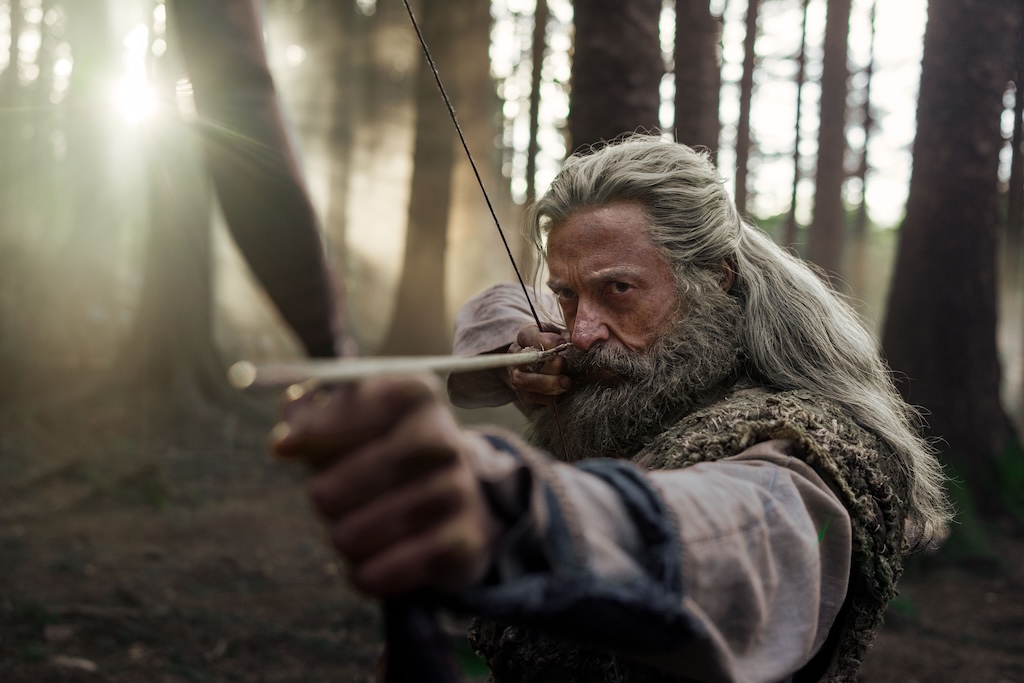
For all its atmospheric beauty and thematic weight, the film suffers from a deliberately slow pace that will alienate viewers looking for a traditional action epic. Sarnoski begins the film with its most compelling and bloody action sequences, while the second half trades visceral thrills for quiet contemplation, brewing tension, and psychological trauma.
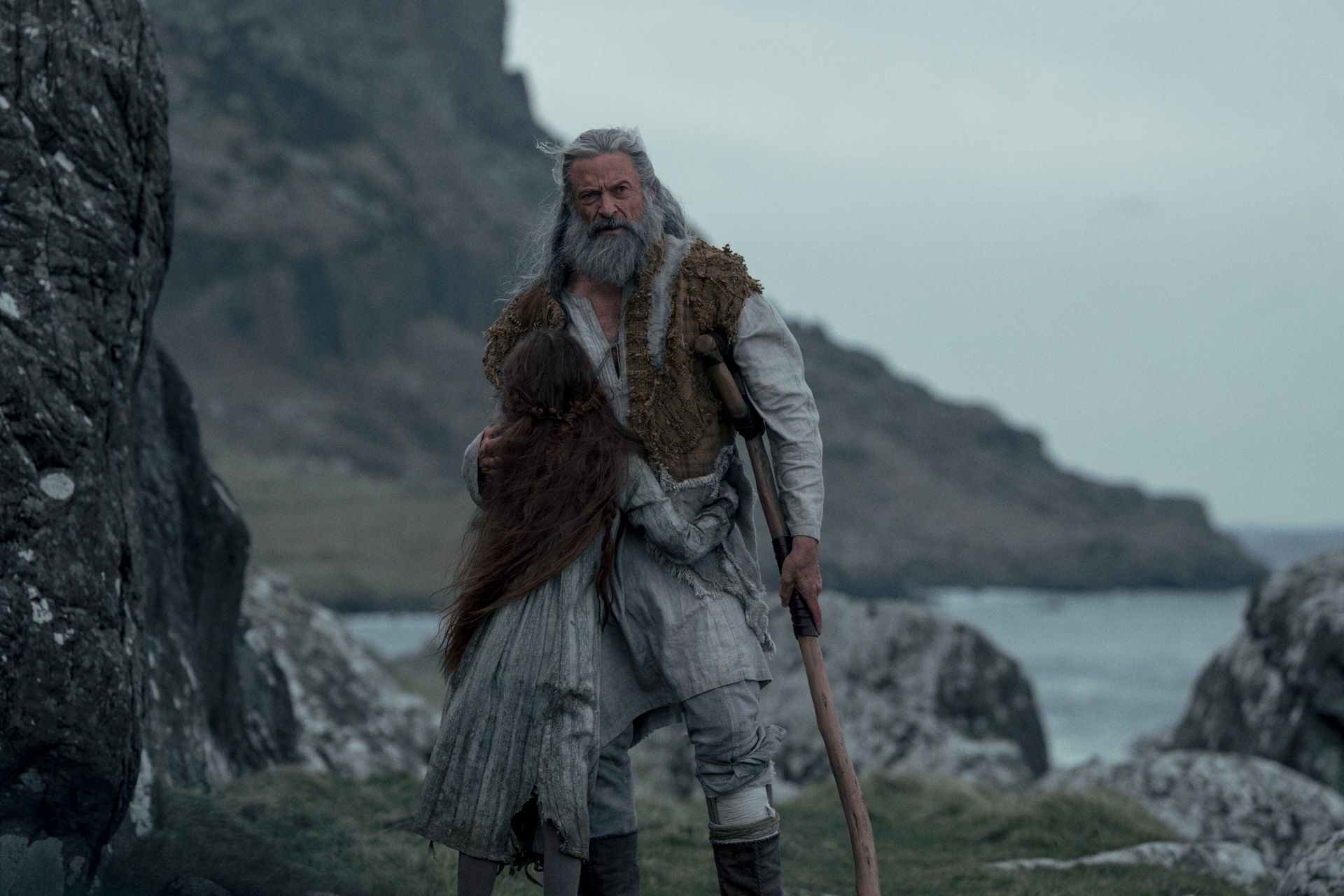
Because the script lingers so heavily in the misery of Robin’s self-reckoning, the narrative pacing occasionally suffers from long stretches of silence, preventing this beautifully shot film from hitting the exact center of its target. Yet, even when it drags, the sheer ambition makes it easy to admire. It is a daring, mournful movie that permanently shatters the fabled storybook hero, leaving behind a haunting portrait of an old killer searching for peace. 3.5/5
Rating R with a running time of 2 hours and 3 minutes, The Death of Robin Hood opens in theaters on June 19, 2026.


The Author All posts


No Comment